Define the target
Describe the tone, age impression, energy, accent direction, or character quality you want to explore. Specific intent gives the transformation a better creative frame.
Voice transformation
ai voice changer online tools help you explore a different vocal character without rebuilding your entire project. Start with a clear intention, then guide the result toward the mood, role, or performance you need.
A useful workflow separates the creative decision from the technical handoff, so each adjustment has a clear purpose.
Describe the tone, age impression, energy, accent direction, or character quality you want to explore. Specific intent gives the transformation a better creative frame.
Use the recording, spoken idea, or other supported input that carries the performance you want to preserve. Keep the source clean and understandable.
Listen for intelligibility, emotional fit, and consistency. If the result misses the brief, revise the description instead of changing everything at once.
Different voice projects call for different starting points. These nearby guides help you choose a more focused path when transformation is not the whole task.
Compare AI-led voice transformation with traditional real-time voice-changing workflows.
Turn written words into spoken audio when you need a new performance rather than a changed recording.
Understand the separate workflow for creating a consistent voice identity from reference material.
The best result depends on the job behind the effect. Use the workflow as a creative layer, not as a substitute for a clear brief or responsible review.
A creator wants alternate narration for a short explainer, trailer, or social clip without rerecording every line.
They can test a different vocal direction while keeping the script and edit structure intact.
text to speechA small team needs to audition contrasting character voices during early concept work.
Voice options can be explored before a final performer, direction, or production approach is selected.
ai anime voice generator freeA host wants a distinct treatment for a fictional segment, transition, or narrated sketch.
The changed voice can help separate roles and sections while the host retains control of the original script.
voice ai examples freeA streamer wants a recognizable voice effect for a character, scene, or private creative test.
An online workflow makes experimentation easier before committing to a desktop setup.
voice changer for pcA before-and-after comparison is most useful when you judge more than novelty: listen for clarity, pacing, emotional fit, and whether the changed voice still serves the message.
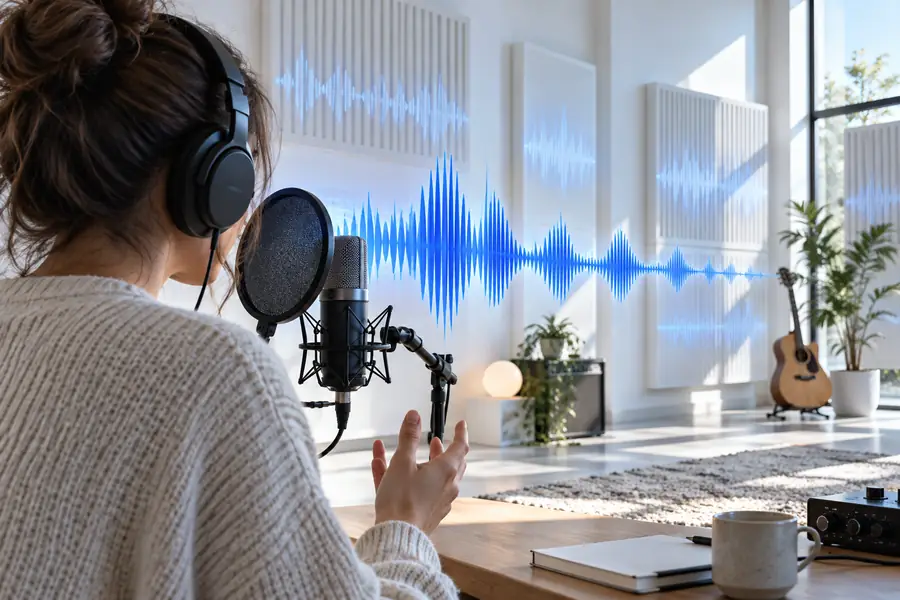

Compare the message first, then the effect. A convincing result should remain understandable and appropriate for its intended audience.
Online voice transformation is a creative aid, not a guarantee of perfect identity, emotion, timing, or likeness. Review every output before using it publicly or attributing words to a real person.
Original recording
Provides the original script, phrasing, and performance choices.
Changed recording
Usually preserves the intended words while presenting them through a different vocal character.
Original recording
Keeps the source speaker's natural identity and vocal detail.
Changed recording
Moves the sound toward a new direction, but the result may not be a precise or stable identity match.
Original recording
Contains the speaker's spontaneous timing, emphasis, and feeling.
Changed recording
Can shift the impression, though subtle emotion may change or become less natural.
Original recording
Sets the baseline for pronunciation, noise, and intelligibility.
Changed recording
Depends heavily on the source quality and the requested transformation.
Original recording
Control comes from directing the original performance or rerecording it.
Changed recording
Control comes from describing the desired mood, role, and vocal qualities.
Original recording
The speaker can directly confirm what was said and how it was delivered.
Changed recording
Requires careful listening so the changed output is not misleading, harmful, or misattributed.
Original recording
Choose it when authenticity and the original performance matter most.
Changed recording
Choose it when exploration, character work, or a new vocal treatment is the goal.
Bring a specific creative brief rather than a vague request. Describe the role, mood, pacing, and audience, then review the result against the message you need to deliver.
Answers to common questions about using an online AI voice changer for creative voice work.
It applies an automated transformation to a voice input so the output has a different vocal character. The exact result depends on the source, the requested direction, and the tool's supported workflow.
Voice transformation is generally intended to preserve the spoken content while altering how it sounds. Always listen carefully, because pronunciation, timing, emphasis, or intelligibility can shift during processing.
Some tools are designed around processed recordings, while others may support interactive or live scenarios. Check the specific workflow before planning a performance, stream, call, or event around it.
Use a clean, understandable source and describe one main target at a time, such as warmer, calmer, older-sounding, or more theatrical. Review the output for clarity and revise the direction with concrete details.
Avoid using transformed audio to impersonate someone, mislead an audience, or suggest that a person said something they did not say. Treat consent, attribution, and context as part of the creative process.