Prepare a permitted sample
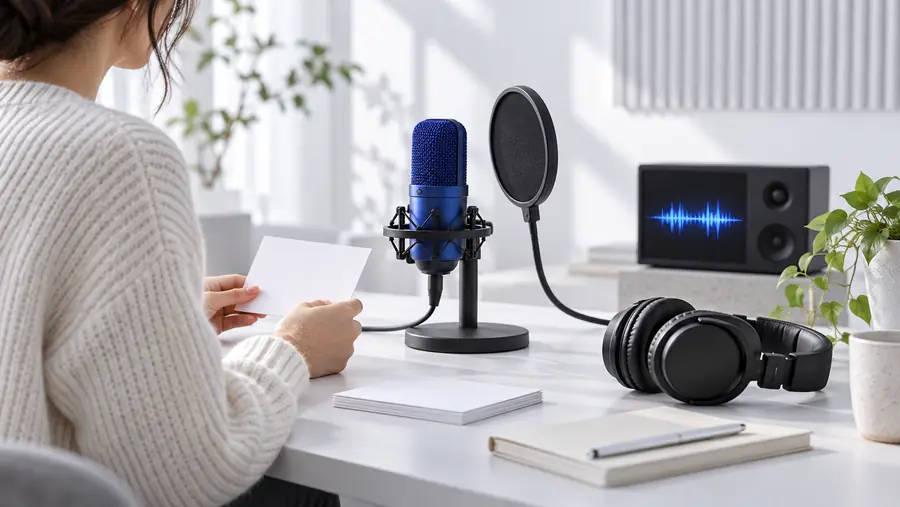
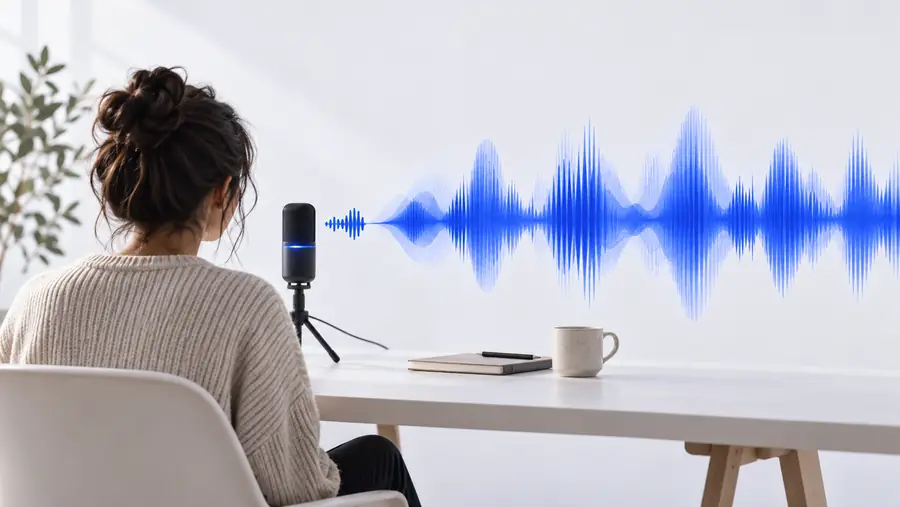
Choose a clear recording with one speaker, minimal background noise, and enough natural speech to represent the intended voice. Confirm that you have permission to use it.
Voice reference
Voice cloning ai free can help you turn a permitted voice sample into a more consistent creative reference. Start with a clean recording, use only voices you have permission to reproduce, and review every result before sharing it.
This route is focused on reproducing a permitted speaker’s vocal character. A broader voice tool may cover more transformations, while this path keeps the job centered on one reference voice.
Use this route when you want a new spoken performance from text without starting from a specific reference voice.
Choose this broader online option when convenience matters more than building a repeatable voice identity.
Compare an online-first workflow when you want to keep the reference recording and review process in one place.
Use a changer when you need to alter an existing performance rather than create a voice identity from a reference.
A focused cloning workflow is useful because it narrows the task. It is not a substitute for consent, editorial judgment, or a complete production studio.
The route is designed around a reference voice, not an unrestricted library of real people. Do not upload a celebrity, colleague, or customer recording without clear authorization.
WorkaroundUse your own recording or retain written permission from the speaker before starting.
The main value is a repeatable vocal character across a script. It cannot guarantee that every emotion, accent, pause, or pronunciation will sound exactly like the reference.
WorkaroundShorten difficult passages, add pronunciation guidance, and review several takes.
A generated voice reference still needs human review for meaning, tone, pacing, and context. It does not decide whether a message is appropriate to publish.
WorkaroundListen from the audience’s perspective and approve the final wording before distribution.
Keep the first attempt small and easy to evaluate. A short, clean sample and a simple script make it easier to identify what needs correction.
Choose a clear recording with one speaker, minimal background noise, and enough natural speech to represent the intended voice. Confirm that you have permission to use it.
State the audience, mood, pacing, and pronunciation needs. For example, ask for a calm instructional read rather than simply requesting a generic clone.
Listen for names, numbers, emphasis, and unwanted vocal artifacts. Keep the result only when it matches the approved purpose and the speaker’s authorization.
These checkpoints are practical guardrails for a voice cloning ai free workflow, not promises of a particular model, language, or export format.
A useful result is the one you can explain, approve, and use responsibly—not simply the one that sounds closest.
Different creators need different levels of control. These examples show how to keep the use case specific while giving each workflow a clear review point.
You need a consistent narration style for a short lesson series and have permission to use the presenter’s sample.
A repeatable voice reference can reduce retakes while keeping pronunciation and pacing under review.
free ai voice generatorA small team is testing dialogue for a character before booking a full recording session.
A temporary reference can help compare scripts and direction without treating a draft as final performance.
free ai voice onlineYou are repairing a short, authorized pickup for an episode and need the delivery to fit an existing speaker.
A focused cloning workflow can provide a reviewable draft while the editor checks every word against the original intent.
ai voice cloning online freeYou want to experiment with a transformed version of your own voice for a clearly labeled creative segment.
A voice changer may be a better fit when the goal is live alteration rather than building a reusable reference identity.
free ai voice changer onlineBring a permitted reference, define the intended use, and treat the first result as a draft. The right workflow is not the one with the fewest checks; it is the one that makes consent and review easy to maintain.
It is used to create a voice reference from an authorized recording and test how that vocal character may perform a short script. Common uses include narration drafts, dialogue tests, accessibility prototypes, and clearly labeled creative experiments.
You should only use a voice when you have permission from the speaker and a clear purpose for the recording. Public availability does not automatically grant permission to reproduce someone’s identity or performance.
It can be useful for an early draft or a controlled test, but it should not be treated as an automatic replacement for professional direction and review. Check pronunciation, emotion, timing, artifacts, and usage rights before publishing.
Start with a clean sample from one speaker and describe the intended delivery precisely. Use a short script first, listen critically, correct difficult words, and keep only results that fit the approved use.
Try a clearer reference, remove background noise, simplify the passage, and add guidance for names or unusual pronunciations. If the result still misses the intended tone, use a human recording or a different voice workflow instead.