Educators
Create a pronunciation example or turn approved lesson text into spoken study material.
Students get a consistent audio reference without exposing private classroom conversations.
text to speechTrust by design
Is voice ai safe to use? It can be, when you understand what the system processes, obtain permission for other people’s voices, and review outputs before sharing them. This guide separates realistic safeguards from assumptions.
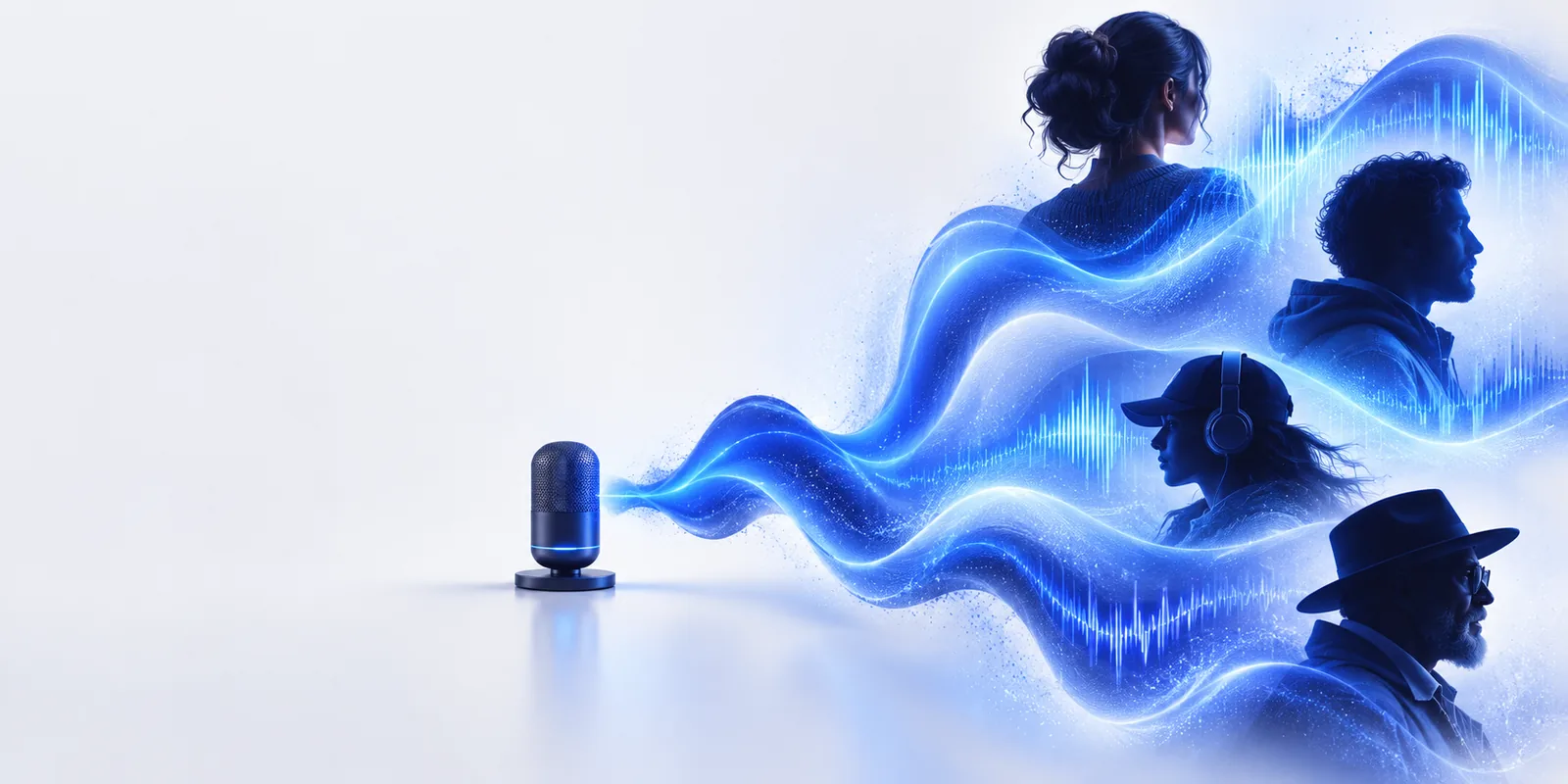
Is voice ai safe to use depends less on the label and more on the data, consent, access controls, and decisions surrounding each project.
Understand how spoken input, language processing, and generated audio fit together before assessing risk.
See why identity, permission, and disclosure matter when a system reproduces a recognizable voice.
Compare generated speech with live voice effects so you can choose the lower-risk approach.
Follow a practical workflow for preparing input, checking results, and sharing audio responsibly.
Voice AI is a set of tools that can interpret speech, transform audio, or generate spoken output from instructions. The safest use cases keep the purpose clear and the source material appropriate.
Create a pronunciation example or turn approved lesson text into spoken study material.
Students get a consistent audio reference without exposing private classroom conversations.
text to speechPrepare narration for a draft explainer using text that has already passed editorial review.
The team can test pacing and clarity before recording or publishing a final version.
ai voice generator text to speechOffer spoken versions of approved instructions, articles, or interface labels.
More people can access information through audio while the original wording stays under human control.
text to voice aiExperiment with a fictional narrator or a clearly disclosed synthetic voice for a project.
Creative iteration stays distinct from impersonating a real person or misleading an audience.
ai anime voice generator freeA responsible voice AI workflow is not complicated, but each step matters. Keep the input narrow, the purpose documented, and the output subject to human review.
Use text and recordings you own or are authorized to process. Remove names, secrets, account details, and unrelated conversation before uploading anything.
Decide whether the result is for drafting, accessibility, education, entertainment, or another defined use. Avoid vague objectives that make misuse harder to detect.
Listen for incorrect words, unintended tone, exposed personal details, and misleading context. Label synthetic audio when an audience could reasonably mistake it for a real recording.
Some situations call for a human professional, a secure specialist system, or no automated processing at all. These limits are part of using voice AI responsibly.
Do not process medical, legal, financial, intimate, or confidential workplace audio unless you have a clear legal basis and an appropriate controlled environment.
WorkaroundUse redacted text, a vetted enterprise workflow, or a qualified professional who can explain the handling process.
Do not copy a real person’s voice to suggest they approved, said, or endorsed something when they did not.
WorkaroundUse a fictional voice, obtain explicit permission, and disclose the synthetic nature of the result.
Do not let generated speech decide hiring, treatment, lending, access, or safety outcomes without accountable human review.
WorkaroundKeep voice AI limited to communication support and document the human decision-maker.
Do not publish urgent alerts or instructions without checking names, numbers, timing, and context with a responsible human.
WorkaroundUse an approved communication process and a verified speaker or announcer for critical notices.
The most useful safety discussion replaces broad assumptions with specific questions about data, consent, and audience expectations.
Common assumption
If audio is spoken into a tool, nobody else can meaningfully access or infer anything from it.
What to check instead
Privacy depends on the service, settings, retention practices, permissions, and the sensitivity of the input.
Common assumption
Synthetic speech cannot affect a real person because it is not a human recording.
What to check instead
A recognizable imitation can still mislead people, damage reputation, or violate consent expectations.
Common assumption
Clear pronunciation and natural emotion mean the words and claims are accurate.
What to check instead
Voice quality says nothing about factual accuracy; review the script and context separately.
Common assumption
Permission matters only when reproducing someone’s exact voice.
What to check instead
Permission and disclosure can also matter when processing private recordings or publishing a person’s words.
Common assumption
Adding a synthetic-media label makes any use acceptable.
What to check instead
Disclosure helps, but it does not replace lawful sourcing, careful editing, security, or appropriate purpose.
Common assumption
Automation should be trusted once the file sounds natural.
What to check instead
Review catches wrong names, altered meaning, accidental disclosure, and audience confusion before release.
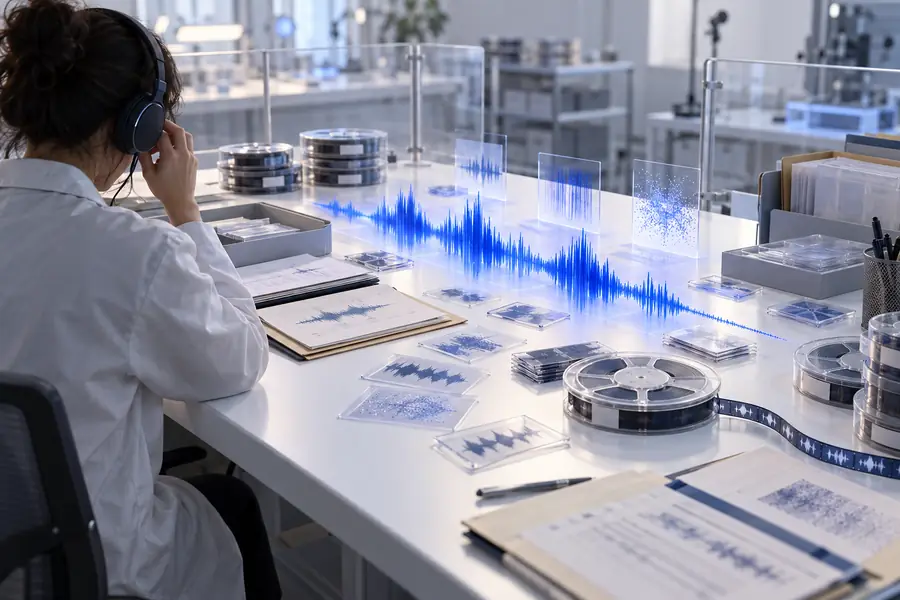
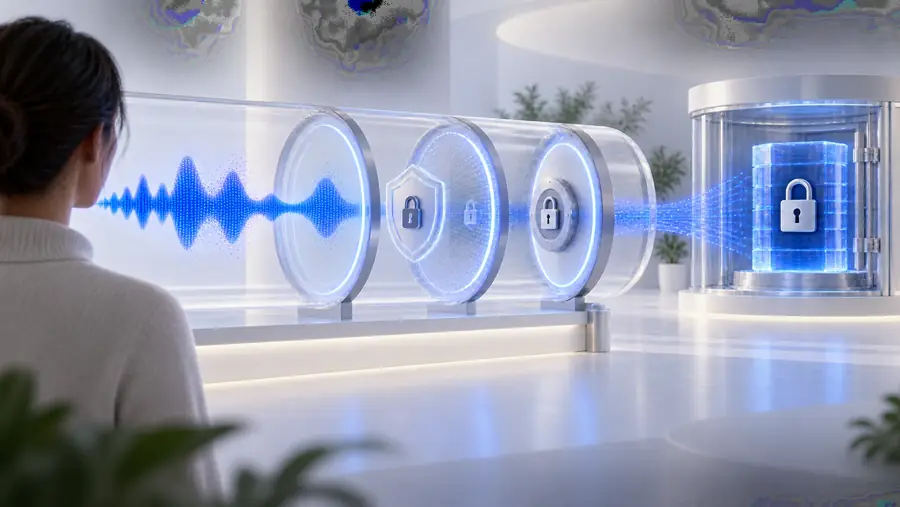
The safer result is not just a better sound; it is a better-controlled process.
The safest approach is purposeful and proportionate: minimize the data, respect consent, check the result, and be honest about synthetic audio. If a project depends on secrecy, impersonation, or an irreversible high-stakes decision, choose a different workflow.
It can be suitable for low-risk projects when you use material you own or have permission to process. Avoid uploading private conversations, identity documents, or sensitive personal details, and review the result before sharing it.
Imitating a recognizable person can create consent, deception, and reputational risks. Use a fictional or clearly distinct voice unless you have explicit permission and a legitimate, transparent purpose.
Disclosure is a strong safeguard when listeners could mistake synthetic speech for a real recording or endorsement. A label does not replace permission, accurate content, or responsible handling of the source material.
Verify the script, names, numbers, tone, pronunciation, and intended audience. Also confirm that the input was authorized, private information was removed where possible, and the final context cannot reasonably mislead people.
Avoid it for highly sensitive recordings, deceptive impersonation, and high-stakes decisions without a controlled process and accountable human review. A secure specialist workflow or a human voice professional may be more appropriate.